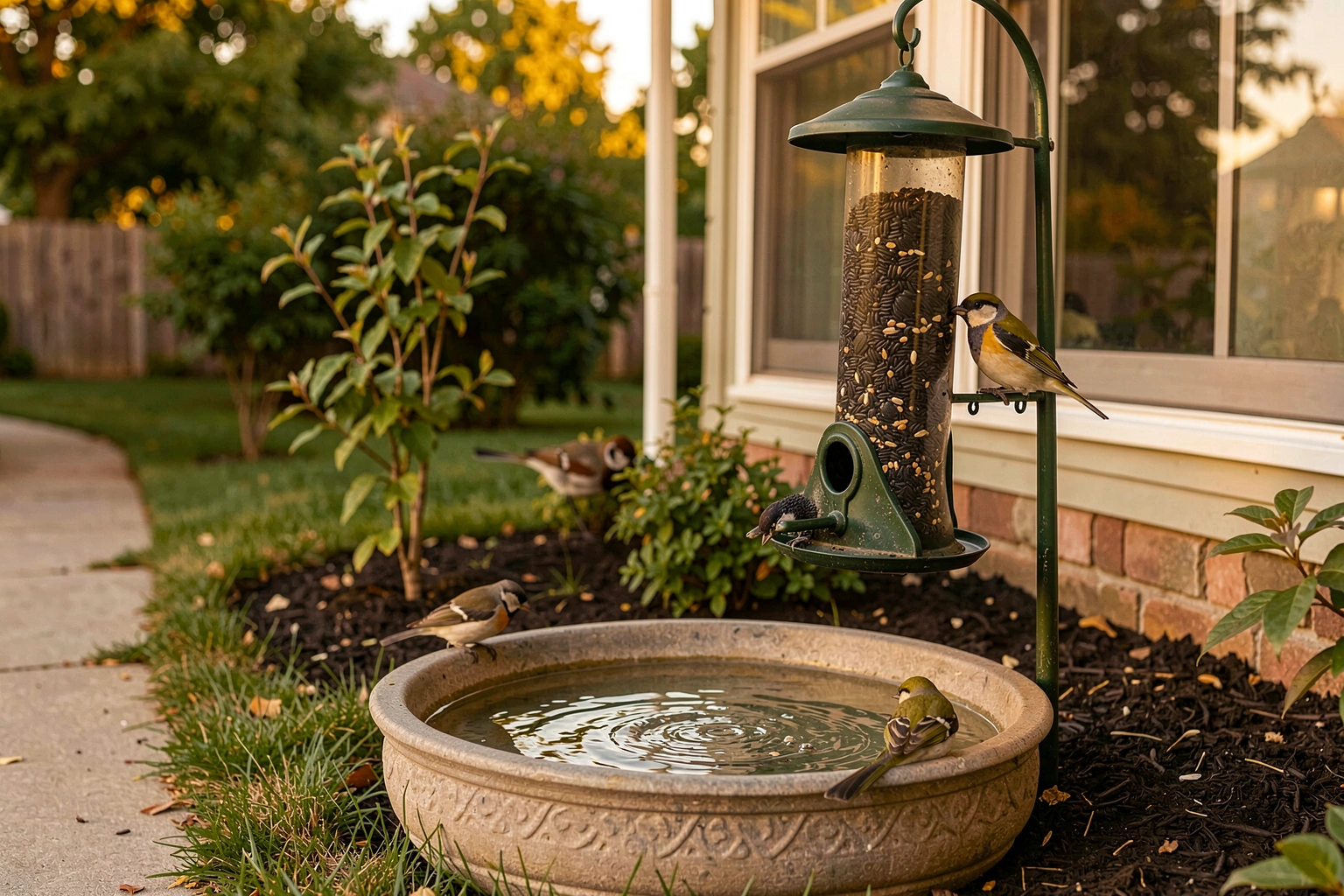
The quickest legal, humane way to lure a bulbul is to set out the right food in the right spot during their peak morning feeding window, then either observe from a distance or use a permitted live trap with frequent checks. But before you do anything else, you need to confirm you're actually allowed to do this where you live, because catching wild birds without a permit is a serious federal and state offense in many countries. Here is exactly how to work through this, step by step.
How to Catch a Bulbul Bird: Legal, Humane Steps Today
Clara Hayes
22 Mar 2026
Stop here first: is it legal for you to catch a bulbul?
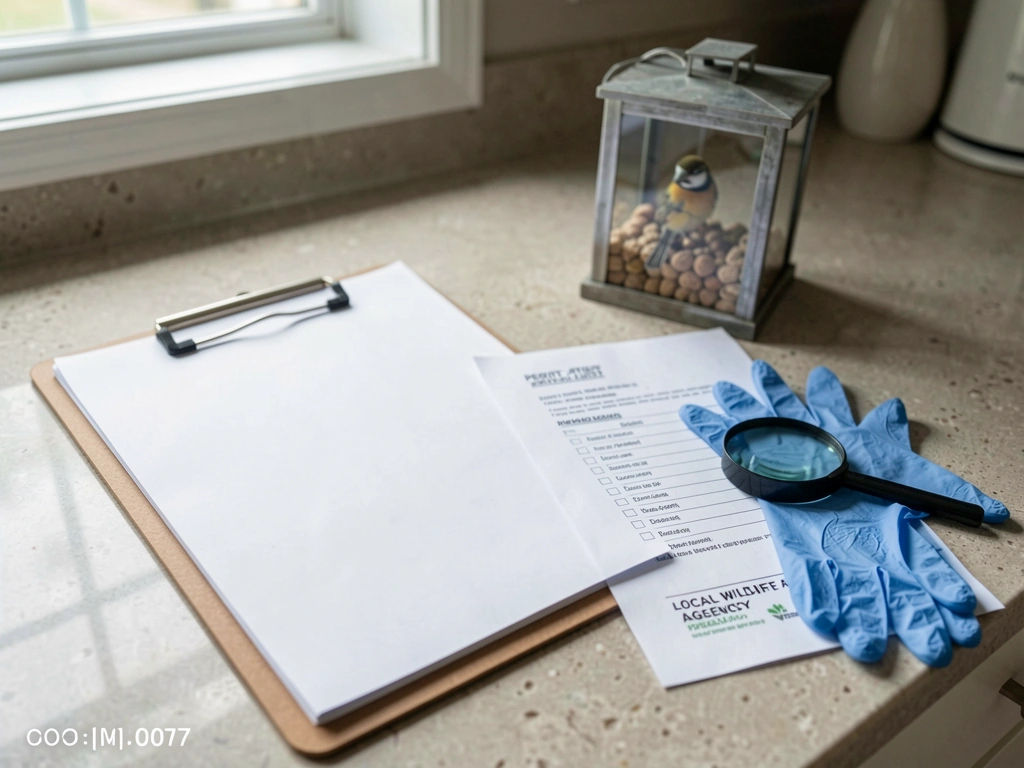
This is not a formality. In the United States, the Migratory Bird Treaty Act (MBTA) makes it illegal to pursue, hunt, take, capture, kill, or possess most wild birds, and 'take' explicitly includes trapping. Violations are criminal: a misdemeanor conviction can carry up to one year in prison and a fine of up to $100,000. The U.S. Department of Justice has prosecuted cases under exactly these statutes. The only lawful path is a permit issued through the U.S. Fish and Wildlife Service (USFWS), and even then, the permit specifies exactly what capture and handling methods are allowed.
State law adds another layer. Washington State, for example, makes it unlawful to possess or transport live wild birds without a permit under WAC 220-450-030. New York's trapping regulations include zone-specific rules and mandatory trap-check intervals. Florida's Fish and Wildlife Conservation Commission (FWC) requires a specific state permit before placing or using a bird trap. The practical upshot: check your federal and state (or national and local) regulations before you set anything up. If you are outside the U.S., the rules vary widely but the principle is the same.
The main legitimate reasons someone catches a bulbul legally are wildlife rehabilitation (injured bird), permitted scientific banding research, or licensed pest management in areas where introduced bulbul species are considered invasive. If your goal is none of these, your best path is almost certainly the non-capture approach covered later in this article. If it is one of these, contact your regional wildlife agency first, get the appropriate permit, and then use the setup guidance below.
Which bulbul are you actually dealing with?
Bulbuls belong to the family Pycnonotidae, which includes roughly 140 species found across Africa and Asia. The two you are most likely to encounter in urban or suburban settings outside their native range are the Red-whiskered Bulbul (Pycnonotus jocosus) and the Red-vented Bulbul (P. cafer). Both have been introduced in parts of Florida, Hawaii, and other regions where they are not native. Knowing your species matters because it affects what bait works best, what the bird's daily rhythm looks like, and whether introduced-species management permits might apply.
The Red-whiskered Bulbul is a medium-small songbird, easily identified by the tall black crest, red cheek patch, and white underparts. It is a highly social, vocal bird that moves in small groups through garden trees and shrubs. The Red-vented Bulbul is slightly bulkier with a black head, white rump, and red vent under the tail. Both species are bold and curious, which actually makes them easier to attract than many other songbirds.
When bulbuls are most active
Research on Red-whiskered Bulbul feeding behavior in urban environments shows that visitation frequency and feeding duration are highest between 06:00 and 08:00 in the morning. There is a secondary period of activity in the late afternoon before dusk. Midday is the slowest period. Plan your setup and monitoring around that early morning window for the best results.
What bulbuls eat
Bulbuls are omnivores with a strong preference for fruit, supplemented by nectar, flower petals, and invertebrates. In urban settings, they also readily consume human-provided foods including rice, bread, and noodles. This broad appetite is useful: you have a lot of bait options, and they are not shy feeders once they are familiar with a spot.
The best bait and how to place it
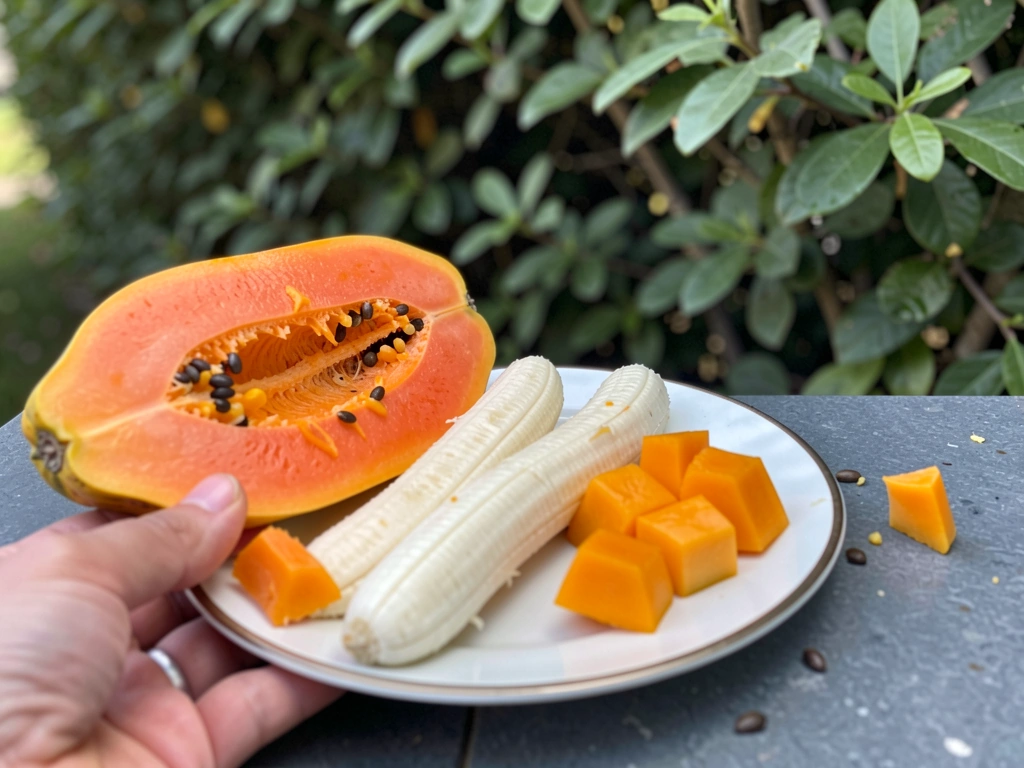
Fruit is your primary attractant. Ripe or slightly overripe fruit is more aromatic and more appealing than fresh-cut fruit. Cut pieces into finger-sized chunks so the bird can eat without flying off with the whole piece, keeping it at the feeding spot longer.
- Papaya (cut open, flesh exposed): highly effective, strongly fragrant
- Banana (ripe, split lengthwise): soft, easy to eat, widely available
- Mango chunks: very attractive to bulbuls in tropical and subtropical areas
- Guava: a natural diet item in many bulbul ranges
- Berries (mulberry, strawberry, or similar): small size means quick consumption, so replenish frequently
- Cooked plain rice or small pieces of soft bread: secondary options that work well as filler around fruit
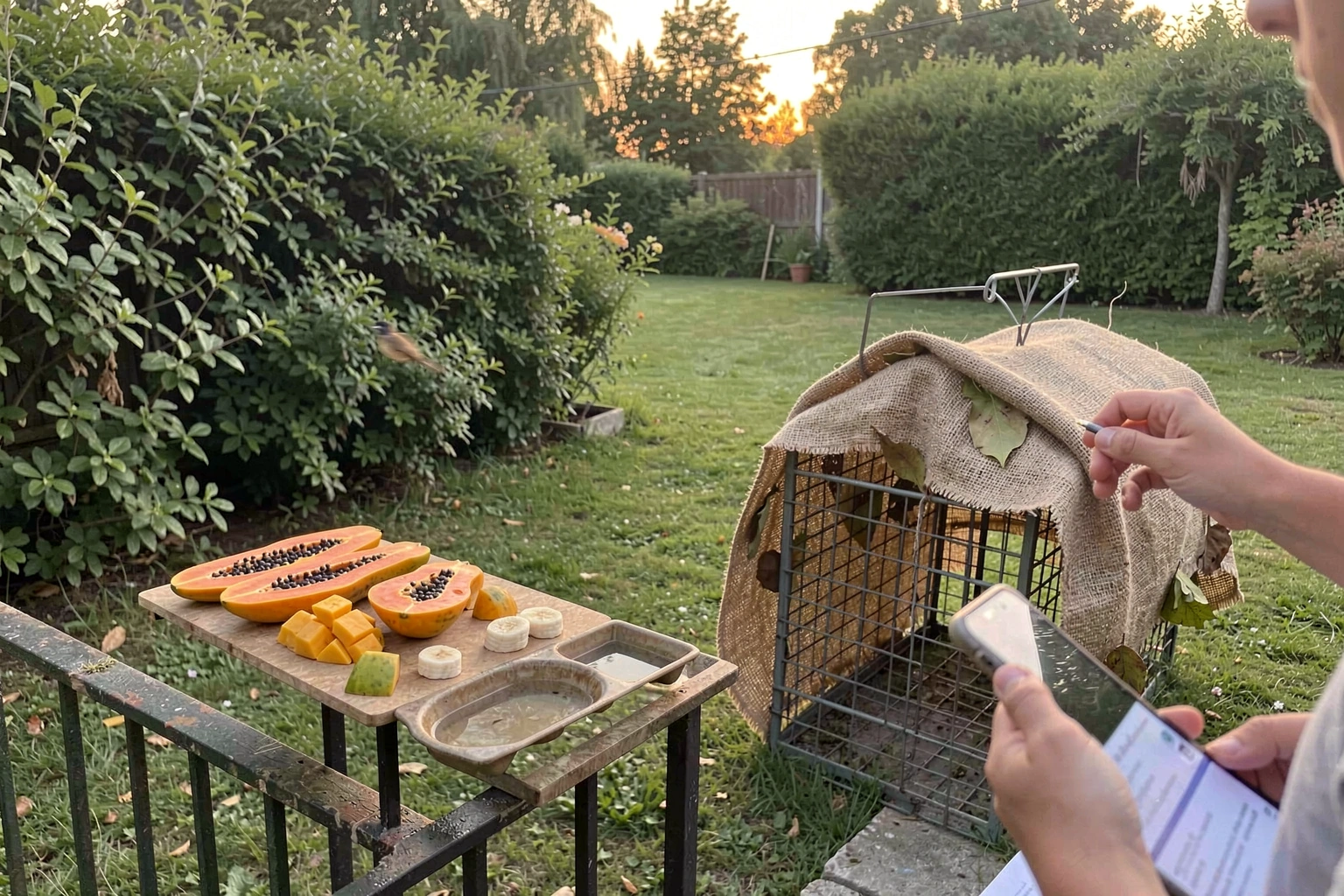
Placement matters as much as the food itself. Bulbuls do not like to feed on the ground in the open. They prefer an elevated perch with nearby cover they can retreat to. Place bait on a flat platform feeder, a cut log, or a wide railing at roughly waist to chest height, positioned within two to three meters of a shrub, dense hedge, or low tree branch. The bird should be able to see the food from a safe perch before committing to land. Avoid placing bait in the middle of an open lawn.
Refresh the bait daily. Rotting fruit quickly develops mold and can attract pests, which will deter the bird and create a hygiene problem. Nectar feeders (the kind used for sunbirds or hummingbirds) can also pull Red-whiskered Bulbuls in, especially if you have flowering plants nearby. If you are trying to attract birds more broadly to your yard, that is a topic covered in more depth in related guides on how to attract baltimore oriole bird.
Where to set up: habitat and micro-site selection
Bulbuls favor garden edges, parks, overgrown hedgerows, and the margins between open areas and dense shrubs or secondary forest. In urban and suburban settings, they are commonly found in gardens with fruit trees, bougainvillea, or ornamental berry-bearing plants. They move along predictable routes, typically following the edge of vegetation rather than flying through open space.
Scout your area first. Walk the perimeter of your yard or target space early in the morning and listen for the bulbul's loud, cheerful, liquid call. Once you know their route, position your bait station or trap along that line of travel, not somewhere random. The ideal micro-site has these characteristics:
- Within three meters of a hedge, dense shrub, or low tree for escape cover
- Elevated off the ground (0.5 to 1.5 meters is ideal for a platform feeder)
- Partially shaded: bulbuls are less comfortable on a fully sun-exposed perch
- Away from high foot traffic and loud noise sources
- With a clear sight line so the bird can approach confidently
Give the bait station two to three days before expecting regular visits if this is a new spot. Bulbuls that have not been fed at a location before will be cautious on the first one or two visits. Once they associate the spot with reliable food, they return consistently during the morning peak window.
Live-trapping basics (only with a valid permit)
Everything in this section assumes you have a valid permit to trap. If you do not, skip to the non-harm alternatives section below.
What kind of trap to use
For small songbirds like bulbuls, the standard options are cage traps (also called box traps or live traps) and funnel traps. A small wire cage trap with a drop-door or treadle mechanism is the most practical choice for a solo operator. The cage should be sized appropriately for a small songbird: roughly 30 cm long by 15 cm wide by 15 cm tall. Avoid glue traps entirely. The FWC and other wildlife agencies have flagged glue traps as causing serious welfare harm to bycatch and non-target animals, and they are not considered humane for songbird capture.
Some research setups use remotely closing traps that allow the operator to trigger closure only when the target bird is confirmed inside, which dramatically reduces bycatch. If you are doing any kind of permitted research or management, this approach is worth the extra setup cost.
Positioning the trap
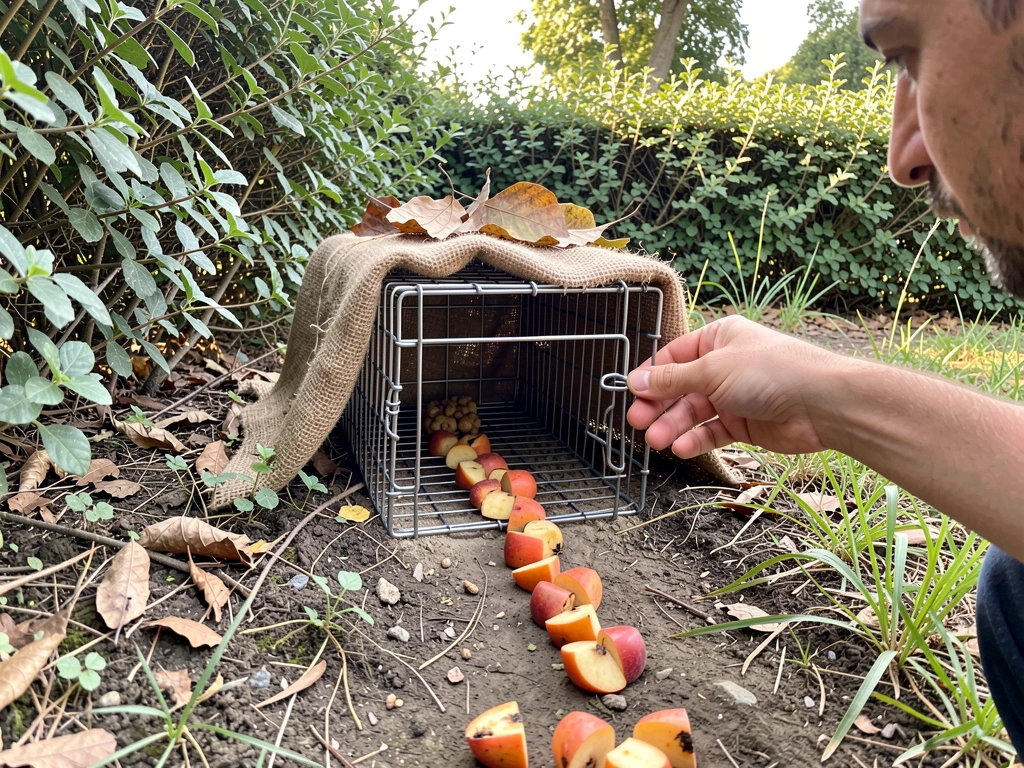
Place the trap in the same micro-site where you have been pre-baiting for at least two to three days. Bulbuls that have already visited the feeding spot are far less wary of the trap. Position the bait inside the trap at the far end from the entrance so the bird has to move fully inside to reach it. Place a small amount of identical bait just outside and leading toward the entrance as a guide trail.
Cover the top and back of the cage with natural material (leaves, a piece of burlap) or place it partially under a shrub to reduce how exposed it looks. An uncovered wire cage sitting in the open looks threatening to a songbird. The entrance should face toward the direction from which the bird typically approaches.
Monitoring and checking the trap
This is the most critical welfare point. Check the trap every 30 minutes at minimum. Research on targeted songbird trapping recommends this interval specifically to reduce stress and prevent injury or death from heat, dehydration, or predator disturbance. Never leave a trap unattended overnight. Many state regulations, including those in New York, specify mandatory trap-check intervals, and violating those rules is itself an offense independent of the underlying permit.
If you catch a non-target bird, release it immediately and gently without handling it more than necessary. Log the bycatch event if your permit requires it.
Humane handling after capture
Small songbirds are fragile and stress out quickly. USFWS and USGS guidance on humane capture and care specifies that captured migratory birds must be kept in humane and healthful conditions, including adequate ventilation, protection from predators, and minimal unnecessary handling. Once the bulbul is in the trap, cover the cage immediately with a cloth to create darkness and quiet. Place it in a cool, sheltered spot away from direct sun, noise, and pet activity.
Handle the bird as briefly as possible. If you need to transfer it to another container for transport (for rehabilitation or banding), use a small ventilated box lined with a clean cloth. The Ohio Wildlife Center recommends keeping injured small songbirds warm, dark, and quiet in a ventilated container until they can be assessed by a professional.
Release
USFWS guidance is clear: release the bird to the wild at the earliest possible opportunity unless the purpose of the capture specifically requires otherwise. In many permit contexts, this means releasing within 24 hours if no further action is required. Release at or near the capture site during a calm, mild part of the day, not during the hottest part of the afternoon or during a storm.
Non-harm alternatives: get the outcome without a trap
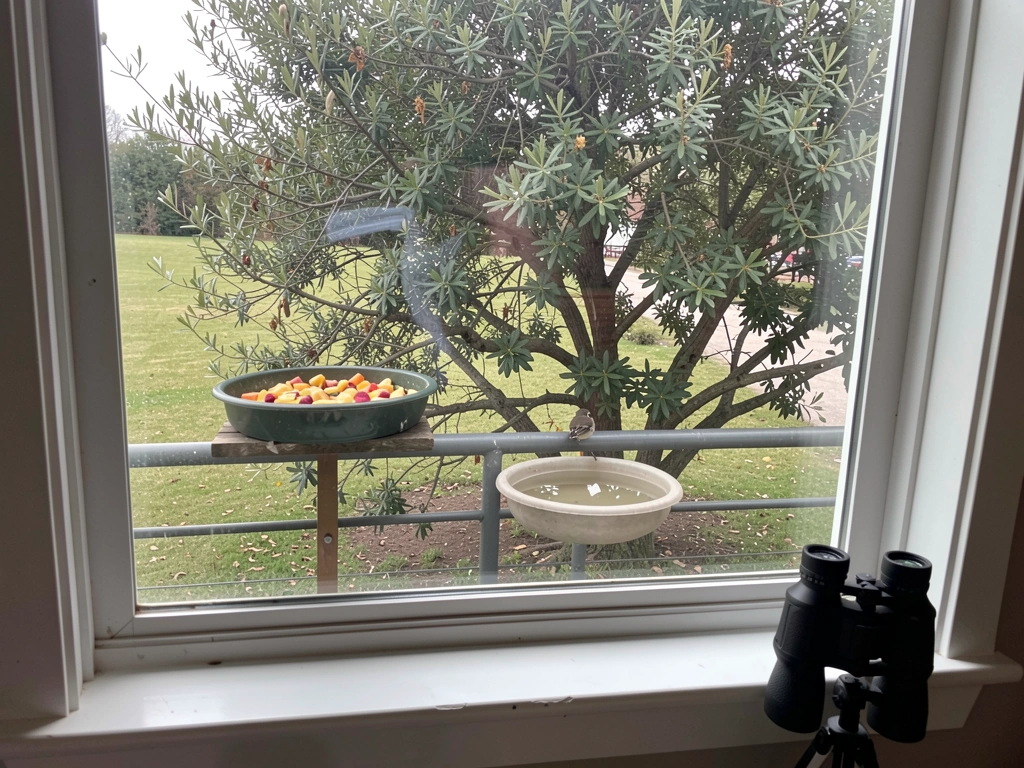
For most people reading this, the actual goal is probably to see bulbuls up close, photograph them, or have them visit regularly. You do not need a trap for any of those outcomes. Setting up a dedicated feeding and observation spot is more rewarding and completely legal.
Set up a platform feeder with the fruit combinations listed above, positioned at the right micro-site. Add a shallow water dish nearby since birds will use a reliable water source just as reliably as food. Plant or position a perching shrub within two to three meters so the bird has a staging post. Then step back. Once bulbuls discover the spot, they will come back every morning. You can photograph them from inside through a window or from a hide at a distance of three to five meters without disturbing their behavior at all.
P|If your interest is in attracting a wider range of birds, not just bulbuls, the same setup principles apply with slight modifications depending on species. The approach of combining food, water, cover, and consistent placement is the same whether you are targeting bulbuls, mynas, or other garden birds.
Your step-by-step plan for today
- Check legality first: Look up your federal and state or local regulations. In the U.S., start with USFWS to determine if you need an MBTA permit. If you are outside the U.S., check your national wildlife protection law. Do not set any trap until this is confirmed.
- Scout the area: Go out between 06:00 and 08:00 and listen for bulbuls. Follow the sound and observe where they land, what plants they visit, and which direction they travel. Mark the spot.
- Set up the bait station: Place a platform feeder or flat board at waist height within three meters of cover. Load it with ripe papaya, banana, or mango. Add a small water dish nearby.
- Habituate the site (days one through three): Leave the bait out every morning and do not approach the feeder while birds are near. Let them build a habit before introducing any trap.
- If permitted, position the trap on day four: Set the trap in the same spot, pre-baited with the same food. Cover the top and back. Place a bait trail leading to the entrance. Activate it only during the 06:00 to 08:00 peak window.
- Monitor every 30 minutes without fail: Stay nearby. Do not leave the trap unattended. Check on the dot every half hour and log each check.
- On capture: Cover the cage immediately with a cloth. Move to a cool, quiet, shaded location. Minimize handling. Complete whatever permitted action is required (banding, examination, documentation).
- Release promptly: Return the bird to the capture site as soon as the permitted task is complete, ideally the same morning. Open the cage door and step well back.
- If no permit or non-capture goal: Skip steps five through eight entirely. Continue the feeding station as a long-term observation and photography setup.
Trap types compared: which approach fits your situation
| Approach | Best for | Legal requirement | Welfare risk | Effectiveness for bulbuls |
|---|---|---|---|---|
| Platform feeder (observation only) | Photography, regular visits, non-capture goals | None (food/water only) | None | High: bulbuls return daily once habituated |
| Small wire cage trap (drop-door) | Permitted rehabilitation, banding, management | Permit required in most jurisdictions | Low if checked every 30 min | High: works well with pre-baiting |
| Remotely closing trap | Permitted research with bycatch concerns | Permit required | Very low: operator controls closure | Very high: selective, precise |
| Funnel/mist net | Licensed bird banding research only | Federal banding permit required | Moderate: requires experienced handler | High in right conditions, but complex |
| Glue trap | Not recommended for any bird capture | May be prohibited | Very high: serious injury risk | Not appropriate, avoid entirely |
The recommendation is straightforward: if you do not have a permit, go with the platform feeder. It is legal everywhere, requires no special equipment, and gives you everything most people actually want from a bulbul encounter. If you do have a permit, the small wire cage trap with consistent pre-baiting and 30-minute check intervals is the most practical and welfare-friendly live-trapping method for a solo operator.
FAQ
Is it legal to catch a bulbul if it is damaging my plants or property?
In many places it is not enough that the bird is causing damage. You generally still need the right wildlife permit or a state-authorized pest control authorization, and the “introduced but invasive” label does not automatically remove federal protections. If you are in the U.S., check both the MBTA rules and your state’s invasive-species or nuisance-bird provisions before setting any trap.
What should I do if I accidentally trap a bulbul but I do not have a permit?
Do not handle the bird longer than necessary. Keep it calm and in a shaded, quiet container while you contact your local wildlife agency for next steps. In many jurisdictions, the act of possessing a trapped wild bird without authorization can create a separate compliance problem, so guidance from the agency matters fast.
How can I tell whether it is a bulbul versus another similar songbird before baiting or trapping?
Rely on at least two consistent field marks, not just size or color flashes, and confirm with a clear photo if possible. The article describes key differences for red-whiskered and red-vented bulbuls (crest, cheek patch, vent area, rump/under-tail markings). Misidentification can lead to baiting or trapping the wrong species, which can affect what permits are valid.
Can I use fruit scraps or kitchen leftovers as bait, and will it increase the chance of catching?
Fruit works best when it is ripe or slightly overripe and cut into small chunks, that part is important. For leftovers, avoid salty, oily, or moldy items because they can deter birds and increase mold and pest attraction. Stick to fresh-ish fruit and clean the area daily, since hygiene affects both animal welfare and your ability to keep repeat visits.
Do I need to stop pre-baiting before I set the trap?
Yes, in practice you want continuity, not abrupt changes. Pre-bait in the same exact micro-site for two to three days, then when you place the trap, keep the bait type consistent and position it at the far end inside the trap. If you change food or location suddenly, bulbuls often fail to enter and instead approach and hover.
How do I reduce the risk of catching the wrong species (bycatch)?
Use a setup that matches the species’ natural approach. The article recommends aligning the entrance toward the usual direction of travel and placing the trap along a scouted route, those reduce random captures. Also consider remotely closing traps where permitted, and if you have multiple birds likely in the area, use species-specific bait preferences and dense-cover placement to narrow the targets.
What time of day should I check the trap, and what if I cannot check every 30 minutes?
If you cannot meet frequent checks, you should not trap. Heat and stress risk rises quickly for small birds, and many rules require specific intervals, making missed checks a compliance and welfare issue. If you cannot check, switch to the non-capture observation method (platform feeder, water dish, perching cover) instead.
Can I cover the trap with leaves, burlap, or cloth, and will that affect the bird?
Covering the top and back helps the bird feel less exposed, which can improve entry and reduce stress. Use breathable, non-toxic materials and avoid anything that blocks ventilation or can snag toes. Also cover the cage immediately after capture to reduce noise and visual stress, as the article suggests.
What if the captured bulbul appears injured or very stressed?
Treat it as an emergency welfare case. Cover the cage for darkness and quiet, keep it cool and sheltered, and minimize handling. If you are permitted for rehabilitation or banding, follow your permit conditions and contact the appropriate licensed rehabilitator or wildlife professional for assessment rather than trying to “wait it out.”
Do I have to release immediately, and how close should I release it?
Release as soon as it is safe and possible, and many permit contexts aim for release within roughly a day if no further action is required. For most situations, release at or near the capture site during calm conditions, because it helps the bird reorient to familiar cover and food resources. Avoid release during storms or peak heat.
If my goal is photographs, what is the safest way to get close without capturing?
Use consistent feeding and cover so bulbuls habituate, then observe from a distance. The article recommends a platform feeder at the right micro-site, a nearby perching shrub within a couple of meters, and stepping back to avoid disturbance. For photography, use a window or a hide at several meters away, and keep movements slow and predictable.
Does adding a water dish change how fast bulbuls visit?
Yes, water can increase repeat visits because bulbuls use dependable water sources in the same routes as food. Place a shallow dish near the feeder but not in a fully open spot, and keep it clean to avoid attracting insects or creating stagnant-water issues that can discourage birds.
Next Article
How to Attract Birds to Your Yard: Step-by-Step
Step-by-step actions to attract birds today: best feeders and food, clean water, shelter, native plants, and maintenance